Masked rebellion
A folk hero is useful. Depending on one is dangerous.
Coming first from Continuing Press
The scales lie. The ledgers agree. And in Hearthollow, that makes injustice law.
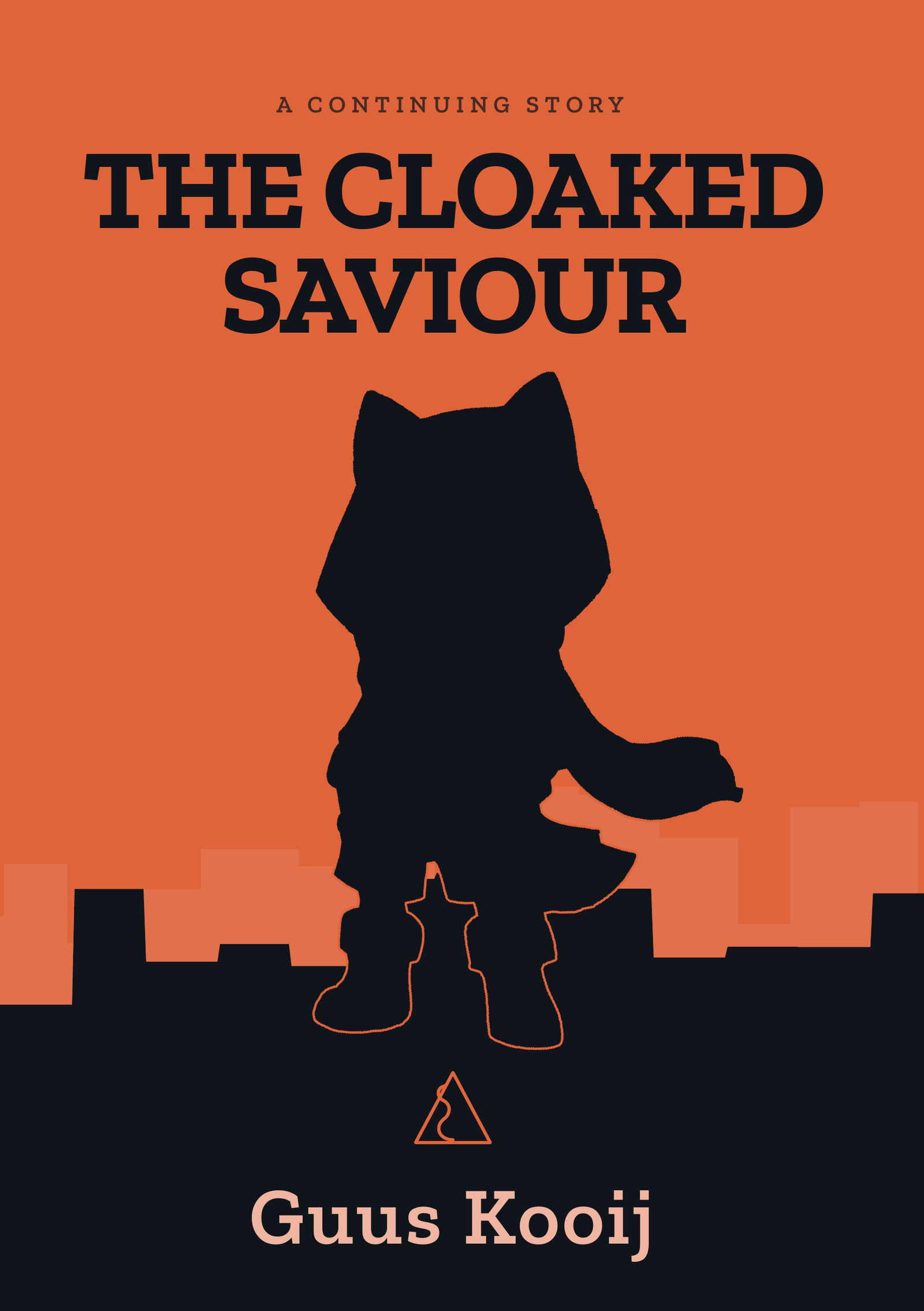 First-edition cover
In Hearthollow, Lord Draeven does not need to rule by chaos. His books are neat, his orders lawful and his scales only slightly wrong. That is enough to keep a valley hungry, indebted and afraid.
Cricket has spent seventeen years learning how to notice what everyone else has learned not to see. The masked Wanderer has spent even longer acting before anyone can stop them. When their paths cross over stolen grain, each recognises something useful in the other.
But a rebellion built around one impossible figure carries its own danger. The more Hearthollow believes someone will always come to save it, the more carefully it learns to wait.
As Draeven tightens the arithmetic and the cost of resistance rises, Cricket and the Wanderer must build something harder than a legend: a way for ordinary people to act, argue, remember and hold power to account even when no hero arrives.
Free opening preview
Read a spoiler-safe opening preview from the finished first edition: the record note, the complete prologue and the opening of Cricket’s story. No signup required.
A folk hero is useful. Depending on one is dangerous.
Ledgers, signals, supply lines and choices matter as much as blades.
The real question is what people can build together after the hero leaves.
Injuries, grief and political choices do not reset when a scene ends.
90 second reader quiz
No spoilers. No email gate. Just eight uncomfortable choices and the role you would probably end up playing when the rules stop being fair.
The Cloaked Saviour was written entirely by me. AI did not write the book or any part of the manuscript.
I use AI tools, primarily ChatGPT by OpenAI, as part of the editorial process much like an additional reviewer: to look for contradictions and continuity issues, flag unclear passages, examine pacing and structure, identify possible errors, and provide feedback on drafts. I decide what, if anything, should change. The writing, creative decisions and final voice are mine.
Follow the first release
The opening sample is live now. Join the reader list for the Kickstarter launch, production updates and release news as soon as they are ready.
No spam. Unsubscribe at any time. Privacy details.